


This company has no active jobs
0 Review
Rate This Company ( No reviews yet )
About Us
The Three Greatest Moments In Door Repair History
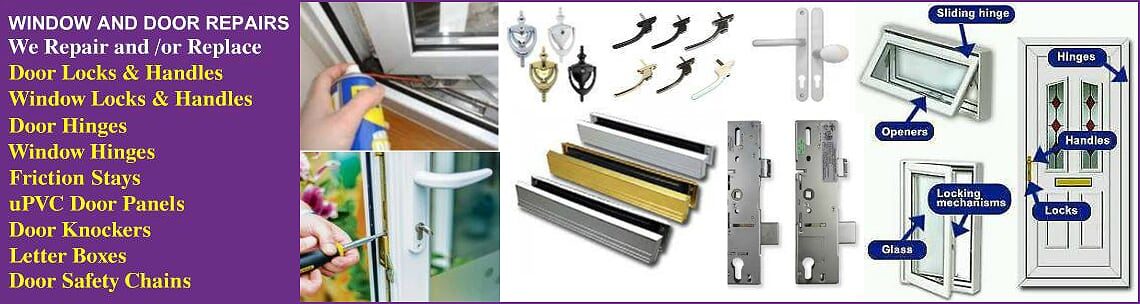
Comprehensive Guide to Door Repair: Issues, Solutions, and Frequently Asked Questions
Doors are important components of every home and building, functioning as barriers for privacy and security while likewise working as design aspects that improve aesthetic appeals. Nevertheless, over time, doors can end up being damaged due to use and tear, environmental elements, or accidental occurrences. This post functions as a thorough guide to door repair, providing insights into typical issues, approaches for repairing them, and answering frequently asked concerns relating to door maintenance.
Typical Door Issues
Several problems can develop with doors, varying from minor problems that need simple repairs to significant issues that may require replacement. Below are some common door issues:
| Door Issue | Description |
|---|---|
| Fractures and Splits | Damage to the surface of the door, often seen in wooden doors. |
| Deforming | A modification fit due to moisture or modifications in temperature, normally in wooden doors. |
| Squeaky Hinges | Noisy metal elements that can cause aggravation. |
| Damage to the Surface | Scratches, damages, or peeling paint that diminishes the door’s look. |
| Misalignment | When the door does not close effectively, can be due to hinge issues or swelling. |
| Broken Locks or Handles | Inoperative locking systems or loose manages, jeopardizing security. |
| Gaps and Drafts | Spaces around the door that let in air or bugs, often triggered by bad installation or settling of the structure. |
Tools Needed for Door Repair
Before starting any door repair job, it is a good idea to gather the necessary tools. Below is a list of frequently utilized tools in door repair:
- Screwdriver: For tightening up or changing screws on hinges and locks.
- Hammer: To tap in loose panels or elements back into location.
- Wood Glue: To repair fractures and splits in wooden doors.
- Sandpaper: For raveling rough spots on wooden surface areas.
- Paint or Stain: To bring back the door’s surface after repairs.
- Chisel: For fitting locks or repairing damage around hinges.
- Level: To make sure the door is installed properly.
Repairing Common Door Problems
1. Attending To Cracks and Splits
Option:
- Clean the area around the fracture or split.
- Apply wood glue generously into the fracture.
- Secure the area to hold it in place while drying. After it dries, sand the area to smooth it out and use paint or stain to match the door.
2. Fixing a Warped Door
Solution:
- Remove the door if needed.
- Apply heat (through a heat weapon or hair clothes dryer) along the distorted area while pushing it back into shape.
- Additionally, put the door in a hot, humid environment, which can help to relax the wood fibers.
- If the warp is excessive, consider changing the door.
3. Quieting Squeaky Hinges
Option:
- Apply a few drops of lubricant (such as WD-40 or silicone spray) onto the hinge.
- Open and close the door to disperse the lubricant uniformly. Clean off any excess.
4. Repairing Surface Damage
Solution:
- For deep scratches, patch the area with wood putty and sand it down when it’s dry.
- Repaint or stain the fixed area to match the surrounding surface area.
5. Straightening Misaligned Doors
Option:
- Check the hinges for loose screws; tighten up any that are loose.
- Adjust the screws, if required, or reinstall the hinges if misalignment persists.
- If the door is still misaligned, check the frame and shim it as needed.
6. Repairing Locks and Handles
Option:
- Assess the Lock repair or handle for loose screws; tighten them first.
- If the lock is jammed or won’t turn, think about cleaning it with graphite powder.
- Changing a broken lock or manage normally involves eliminating old parts and following the manufacturer’s directions for installation.
7. Sealing Gaps and Drafts
Option:
- For gaps around the door, install weather condition removing or use a proper sealant.
- If the doorframe has actually settled, you might need to change or change casing to close the gaps.
Preventative Maintenance Tips
To minimize the frequency of repairs and extend the life expectancy of doors, regular maintenance is necessary. Think about the following suggestions:
- Regularly Check Hinges: Lubricate them every 6 months to keep them functioning efficiently.
- Examine the Frame: Look for gaps or indications of warping that can compromise the door’s fit and function.
- Keep Doors Clean: Regularly clean the surface to prevent the accumulation of dirt and grime, which can trigger damage with time.
- Monitor Humidity Levels: Use dehumidifiers in locations susceptible to high moisture to avoid warping of wooden doors.
Frequently Asked Questions (FAQs)
Q1: When should I think about changing my door instead of repairing it?
A1: Consider replacement if the door is severely deformed, structurally jeopardized, or if the damage is comprehensive and regular repairs are not affordable.
Q2: Can I repair a door myself, or should I employ an expert?
A2: Many door repairs can be finished by somebody with fundamental DIY abilities; however, complicated concerns (like structural damage or comprehensive warping) might gain from expert help.
Q3: How can I avoid my doors from squeaking?
A3: Regular lubrication of hinges and guaranteeing they are appropriately installed can avoid squeaking.
Q4: What type of lube should I use for hinges?
A4: Light oils, silicone sprays, or committed lubes like WD-40 can work well for door hinges. Prevent heavy greases as they can draw in dirt.
Q5: How can I tell if my wooden door is rotting?
A5: Signs include soft spots, noticeable mold, and a persistent musty smell. If you discover these, it’s necessary to address the problem immediately.
Door repair is a necessary ability for property owners and property managers. By understanding typical concerns and utilizing the right techniques, many door problems can be resolved successfully. Routine maintenance not only lengthens the lifespan of the doors however likewise boosts the security and visual appeal of a property. Whether going with DIY repairs or seeking expert support, preserving doors is a financial investment worth producing both functionality and design.
