


This company has no active jobs
0 Review
Rate This Company ( No reviews yet )

Winkelschleifer 125mm Angebot
(0)About Us
You’ll Never Guess This Buy A Compressor For The Garage’s Benefits
Buy a Compressor for the Garage: A Guide to Choosing the Right One
A garage is more than just a storage system or parking space; it’s a workshop, a repair station, and sometimes, even an imaginative studio. One tool that can substantially boost its performance is a compressor. Whether you’re inflating tires, powering pneumatic tools, or painting with precision, a compressor is Buy A Compressor For The Garage flexible investment. This post explores the necessary elements to consider when purchasing a compressor for your garage, its uses, and some often asked questions.
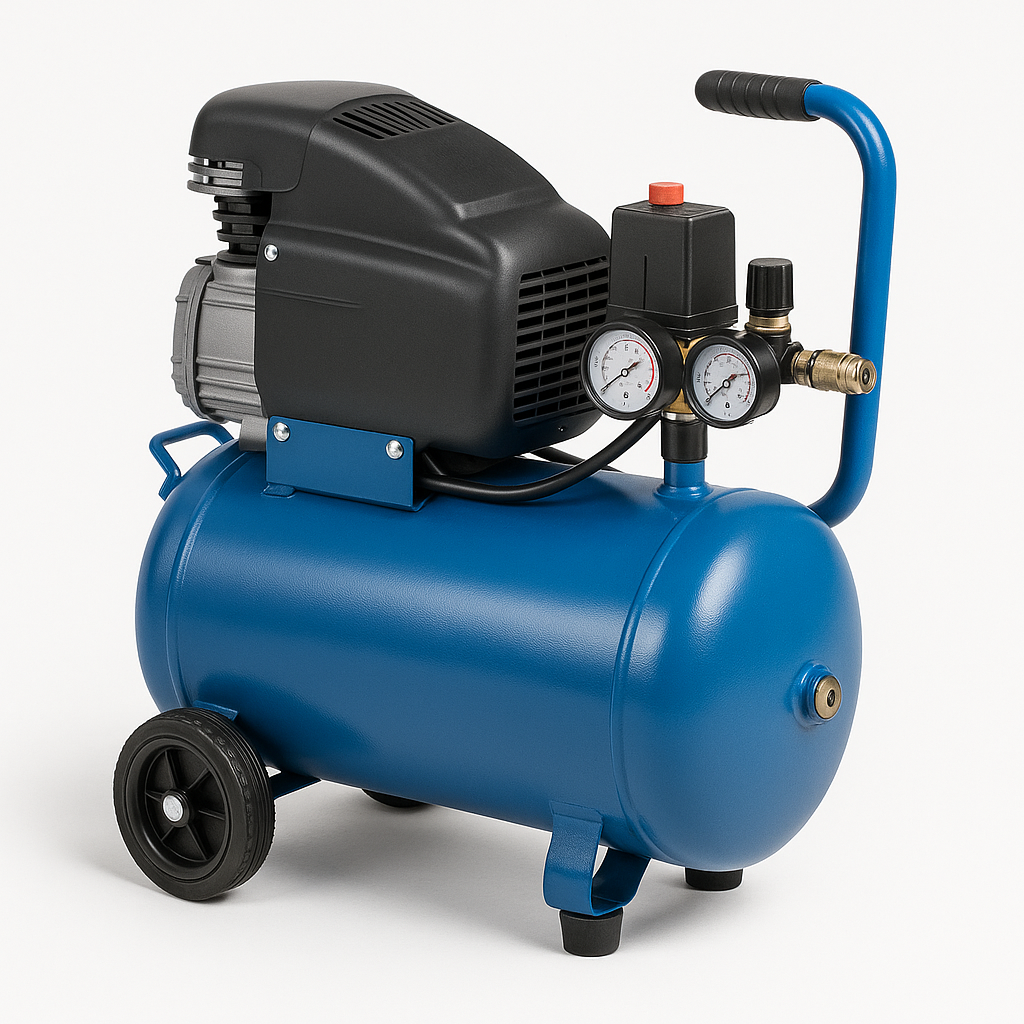
Comprehending Compressors
What is a Compressor?A compressor is a gadget that transforms power (using an electrical motor, diesel, or fuel engine) into potential energy kept in pressurized air. This compressed air can then power different tools and equipment, making it a staple for many garage enthusiasts.
Types of Compressors
The primary step in selecting the best compressor is comprehending the types available. There are several types, each fit for various applications:
| Type | Description | Perfect Uses |
|---|---|---|
| Piston (Reciprocating) | Uses a piston to compress air | General-purpose, medium-duty tasks |
| Rotary Screw | Uses two rotors to compress air continuously | Industrial applications, high-duty usage |
| Diaphragm | Uses a diaphragm to compress air | Low-volume jobs, such as paint spraying |
| Portable | Lightweight and typically battery-powered | Inflating tires, powering small tools |
| Oil-Free | No oil is used in the compression procedure | Very little upkeep, clean environments |
Key Factors to Consider
-
Source of power
- Electric: Ideal for indoor use, usually quieter, and requires less upkeep.
- Gasoline/Diesel: More powerful and portable, however noisier and not suitable for indoor usage.
-
Horse Power (HP)
- A higher horse power ranking normally implies more power and faster recovery time, but consider your requirement carefully, as higher HP typically indicates a higher price tag.
-
CFM (Cubic Feet per Minute) Rating
- This indicates the compressor’s air shipment ability. Tools have various CFM requirements, so guarantee the compressor satisfies these for your intended uses.
-
Tank Size
- Larger tanks save more compressed air and minimize the requirement for the compressor to run constantly. Consider your use period: bigger tanks are perfect for prolonged tasks.
-
Portability
- Depending on whether you need to move your compressor around the garage or to various job websites, consider weight, size, and wheel design for ease of transport.
Advised Compressors for the Garage
Here’s an appearance at some popular compressor models that are well-regarded amongst hobbyists and experts alike.
| Design | Source of power | CFM at 90 PSI | Tank Size | Price Range | Suitable For |
|---|---|---|---|---|---|
| DeWalt D55146 | Electric | 5.0 | 4.5 Gallons | ₤ 350 – ₤ 400 | General function, framing nailers |
| Makita MAC2400 | Electric | 4.2 | 4.2 Gallons | ₤ 300 – ₤ 350 | Indoor use, low noise |
| California Air Tools 6010L | Electric | 3.10 | 6.0 Gallons | ₤ 200 – ₤ 250 | Low sound, little jobs |
| Porter-Cable PXCMLC3708106 | Electric | 3.7 | 6.0 Gallons | ₤ 200 – ₤ 250 | Budget-friendly, DIY jobs |
| Bostitch BTFP3KIT | Electric | 3.2 | 6.0 Gallons | ₤ 150 – ₤ 200 | Flexible usage, nail guns |
Budgeting for a Compressor
When budgeting for a garage compressor, think about the following:
-
Initial Cost: Prices can vary significantly based upon the type, brand name, and requirements of the compressor. Usually, expect to pay between ₤ 150 and ₤ 1,500.
-
Maintenance Costs: Regular maintenance like oil changes (if suitable) and periodic part replacements can incur extra expenses.
-
Usage Costs: Consider the energy intake of the compressor. An electrical design will have a small increase in your power bill, while gas models have fuel costs.
Often Asked Questions (FAQ)
1. Can I utilize a compressor inside your home?
Yes, but it depends upon the type. Electric compressors are usually safe for indoor use as they don’t release exhaust fumes. Fuel or diesel models should just be used outdoors.
2. What size compressor do I require for air tools?
The size depends on the tools you prepare to use. Usually, most air tools need a compressor that can provide between 4 and 7 CFM at 90 PSI. Always inspect your individual tools’ specs for their particular requirements.
3. How do I keep my compressor?
Maintenance includes checking and altering the oil (for oil-lubricated designs), cleaning up the air filter, draining the tank occasionally to prevent wetness buildup, and inspecting pipes and fittings for leakages.
4. Are oil-free compressors worth it?
Oil-free compressors are practical as they need less upkeep and are cleaner for applications like painting. However, they may not last as long as oil-lubricated designs under heavy use.
5. What can I power with a compressor?
Compressors can power different tools, consisting of impact wrenches, nail weapons, spray weapons, grinders, and even blowers. They are extremely versatile for both automotive and DIY applications.
Purchasing a compressor can significantly improve the utility of a garage, turning it into a dream workspace for both lovers and experts. Despite the tasks you undertake, picking the right compressor based on your power source, size requirements, and specific applications will ensure you get the best value for your money. With this guide and the outlined options, you are well-equipped to make an informed purchase decision and unleash the complete potential of your garage.
